


Shipping internationally from Thailand is not as simple. The rules are a maze of regulations, varying wildly depending on whether you are shipping to the strict borders of Australia, the tax-heavy zones of the EU or even the American FDA
Picture this: You’ve just spent a wonderful holiday in Thailand. You found the perfect wooden elephant carving at the night market, a few bags of that incredible crispy pork snack you can’t stop eating, and a beautiful little Buddha statue for your garden back home. You pack it all into a box, pay the shipping fee, and wave goodbye, expecting it to arrive at your doorstep in London, Sydney, New York, or Berlin a week later.
Two weeks have passed. Then three. Finally, you get a letter. It’s not your package. It’s from Customs. Your wooden elephant has been destroyed because of “biosecurity risks”. Your pork snacks were seized. And that Buddha statue? It’s currently sitting at an impound lot because you didn’t have a permit from the Fine Arts Department. This happens every single day.
What Is Not Allowed To Ship Anywhere
Before we even talk about Thailand specifically, there are certain items that will get your package rejected by any courier, whether it’s Thai Nexus Express, FedEx, or the local post. These are the universal safety rules. If you pack these, your shipment won’t even make it onto the plane.
1. The Battery Trap (Lithium-Ion)
This is the number one reason shipments get returned to the sender. You might think, “I’m just sending a toy”, but if that toy has a rechargeable battery inside, it is considered “Dangerous Goods”.
- The Rule: Loose lithium batteries (power banks, spare camera batteries) are almost always a hard “No” for standard air freight.
- The Exception: If the battery is inside the device (like inside a phone or a laptop) and it is less than 100 watt-hours, it might pass, but it requires special labeling.
- The Mistake: People often try to hide power banks in clothes. The x-ray scanners at Suvarnabhumi Airport are incredibly sensitive. They will find it, and they will return your entire box (and you usually don’t get your shipping fee back).
2. Aerosols and Pressurized Cans
That bottle of hairspray, the spray-on sunblock, or the deodorant can? They are pressurized explosives in the eyes of aviation authorities. Air pressure changes in the cargo hold can cause them to explode. Do not ship them. Ever.
3. Perfumes and Nail Polish
These are flammable liquids. While you can check them in your luggage on a passenger flight, shipping them as cargo requires “Dangerous Goods” paperwork and special packing. For a personal shipment, it is rarely worth the cost and hassle.
Exporting Culture and Antiques
Thailand fiercely protects its cultural heritage. This is where many well-meaning tourists and expats get into trouble. You see these items sold freely in the markets of Thailand, so you assume they are legal to take home. That is a dangerous assumption.
The Buddha Statue Rule
This is the most common heartbreak we see. In Thailand, Buddha images are objects of worship, not furniture or garden decorations.
-
The Law: You cannot export Buddha images without a license from the Fine Arts Department. This applies to new statues you bought at a souvenir shop, not just antiques.
-
The “Head” Ban: It is strictly forbidden to export parts of a Buddha image (like just the head or just the hands). It is considered disrespectful. Even if you see them sold in shops, customs will seize them.
-
The Size Limit: Small amulets (usually worn around the neck) are generally okay without a permit if you only have a few. But if you are shipping a statue larger than 5 inches, you need paperwork.
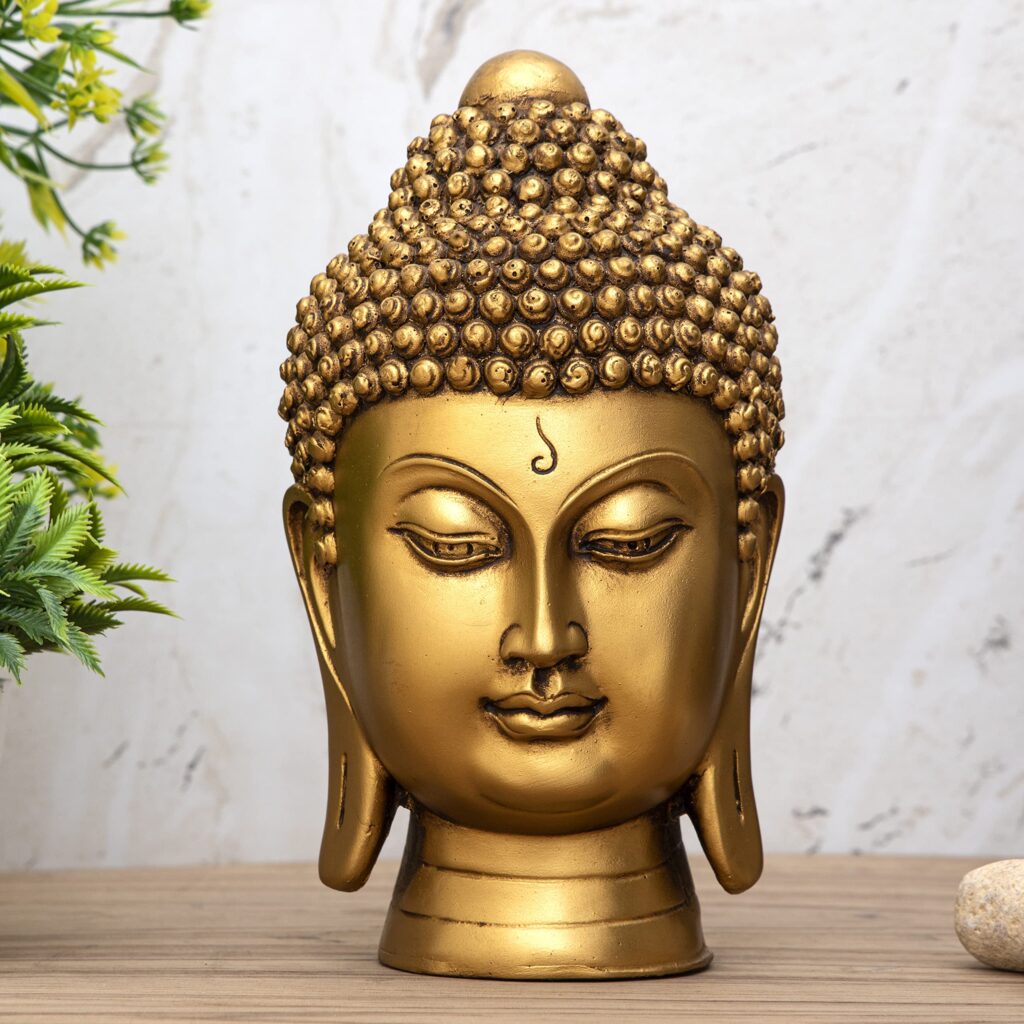
- The Solution: If you really want to ship a statue, you must apply for an export license. This takes time and requires photos and photocopies of your passport. A professional shipping partner can help guide you, but be prepared for a delay of a week or more to get the permit.
Antiques and Art
If you buy a genuine antique (or even a high-quality reproduction that looks like an antique), you risk it being held. Customs officers are not art historians, if it looks old and expensive, they will hold it until you can prove it’s not a national treasure. You will need a certificate of non-antique status or an export permit for reproductions.
What Snacks will go through?
Let’s be honest: 50% of what people want to ship from Thailand is food. You want your friends in the UK to taste Moo Dad Deaw (sun-dried pork) or you want to send Nam Prik (chili paste) to your son studying in Australia.
Food is the trickiest category because every destination country has different rules. However, there are some general truths.
The Pork Floss Trap And Other Meats
This is the number one seized food item.
- The Problem: Most developed nations (USA, Australia, UK, EU, Japan) have incredibly strict laws against importing meat products to prevent diseases like Swine Flu or Foot and Mouth Disease.
- The Reality: That bag of Crispy Pork (Moo Pan), Pork Floss (Moo Yong), or Thai sausages (Sai Ua) will almost certainly be confiscated. It doesn’t matter if it’s vacuum-sealed. It doesn’t matter if it’s cooked dry. If the ingredient list says “Pork”, “Chicken”, or “Beef”, it is a high-risk item.
- Seafood Exception: Interestingly, dried seafood (dried squid, dried fish) is often much easier to ship than land animals. Many countries allow dried seafood for personal use, provided it is fully dry and commercially packaged.
What About The Durian?
Everyone wants to ship the King of Fruits, but it is a logistical nightmare.
- Fresh Durian: extremely difficult. It smells, it spoils, and airlines hate it. You need specialized “cold chain” logistics for this.
- Durian Paste: This is treated as a liquid/gel. If you ship it, it must be packed very carefully to avoid leakage.
- The Winner: Freeze-Dried Durian. This is the safest way to ship the flavor of Thailand. Because it is dry, lightweight, and odorless, it flies through customs in almost every country. If you want to send a gift, send freeze-dried.
Curry Pastes and Sauces
You can ship these, but you must be careful about the Liquid classification. A jar of Massaman curry paste is considered a liquid.
- The Danger: Glass jars break. If a glass jar of fish sauce breaks inside your box, it will ruin everything else in the shipment (and probably the other boxes on the plane). The courier will destroy your package immediately to stop the smell.
- The Fix: Transfer pastes to plastic, sealed containers if possible, or wrap glass jars in thick bubble wrap and place them inside a sealed Ziploc bag. Better yet, buy the vacuum-sealed plastic sachets of curry paste instead of glass jars.
The Strict Customs of Australia
If you are shipping to Australia, read this section twice. Australia has the strictest bio-security laws in the world. They do not mess around.
1. Wood and Plant Material
You bought a beautiful mango-wood bowl or a woven straw mat. Australia assumes these items are hiding termites or beetles that could destroy their ecosystem.
- The Risk: If you ship untreated wood or woven plant fibers (straw, bamboo, water hyacinth), Australian Quarantine (AQIS) will seize it. They will offer to fumigate it (which costs hundreds of dollars) or destroy it (which costs you your item).
- The Solution: You need professional fumigation before shipping, or you need to buy items that are heavily varnished and processed. Raw, natural wood is a no-go.
2. Food is Guilty Until Proven Innocent
Australia checks every food item.
- Prohibited: Meat of any kind (including jerkies and floss), fresh fruit, seeds (even popping corn), and dairy.
- Allowed: Commercially packaged, shelf-stable food (candy, biscuits, tea) is usually fine.
- The “Egg” Trap: Many Thai snacks contain egg yolks (like mooncakes). These are often banned unless fully cooked and commercially manufactured, but they are still flagged for inspection, causing delays.
What to Look For When Shipping to the UK and EU
Shipping to Europe has changed significantly in the last few years.
1. The VAT Surprise
Since Brexit and new EU laws, the “low value” exemption for taxes has largely disappeared.
- The Reality: The receiver will likely have to pay VAT (Value Added Tax) on the item before it is delivered. If you send a gift to a friend in Germany or the UK, they might get a text message asking for payment of 20% of the value plus a handling fee.
- The Solution: Be honest about the value on the invoice. If you declare a £200 silk scarf as £10, customs might open it, find the price, and fine you.
2. The Dairy and Meat Ban
Post-Brexit UK and the EU have very strict rules on “Products of Animal Origin” (POAO). You cannot send a box containing milk-based Thai tea mix or snacks with dairy ingredients to the UK or EU legally without complex veterinary certificates. They are surprisingly strict about this. Plant-based snacks are much safer.
Counterfeited Brands Cost You Dearly
You walk through a market and see a “Gucci” bag or a “Liverpool” football jersey for 300 Baht. You buy five of them to send to your cousins.
Do not ship them.
Customs officers in France, Italy, and the US are trained to spot fakes.
- The Consequence: If they open your box and find 10 fake Nike shirts, they will seize them. In some countries (like France), they can actually fine the receiver or the sender heavily for trafficking counterfeit goods.
- The Rule of Thumb: If it’s a branded item, it needs to be genuine. If you are shipping used genuine items, it helps to include the original receipt if you have it, or clearly mark it as “Personal Used Effects” to avoid suspicion.
Medicine and Supplements
Thailand has many pharmacies where you can buy things over the counter that require a prescription elsewhere.
Prescription Meds: Do not attempt to ship these. You generally cannot mail prescription medication out of Thailand, packages are likely to be seized by Thai Customs or refused by couriers. The rule allowing a “30 to 90-day supply” applies only to medication you carry with you in your luggage while traveling. Always keep these medicines in their original packaging with a copy of your doctor’s prescription.
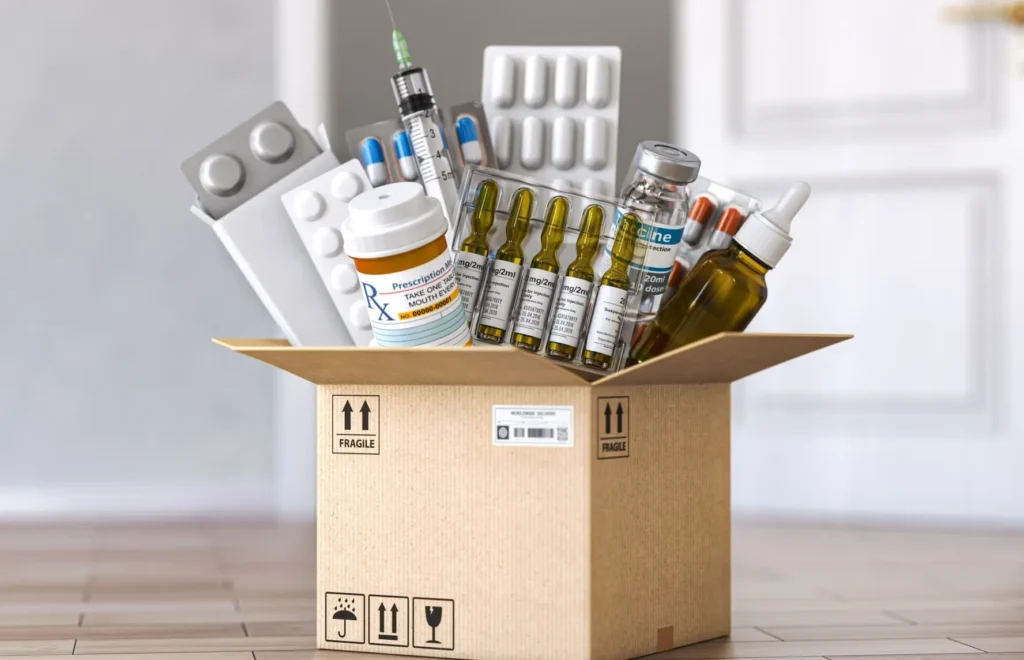
- Herbal Supplements: Thai herbal inhalers (Ya Dom) are generally fine to carry or ship, provided they are commercially packaged, however, not every country accepts them.
- Prohibited Items (Cannabis & Kratom): Never ship these. While Cannabis and Kratom are legal to possess in Thailand, exporting them without a specialized license is illegal. Furthermore, receiving them is a serious criminal offense (drug trafficking) in most destination countries.
How to Pack Correctly?
You can follow all the rules above, but if you pack your box poorly, it will arrive in pieces.
- The “Space” Rule: If you shake the box and hear movement, it is not packed well enough.
- The “Crush” Factor: Boxes get stacked. Your box must be strong enough to hold 20kg sitting on top of it.
- Liquids: As mentioned, tape the lids shut. Bag them. Then bag them again.
Why You Need a Local Expert
By now, your head might be spinning. You have to worry about the Fine Arts Department for your statue, Australian Bio-security for your wooden bowl, and EU tax laws for your silk scarf.
This is why trying to do it all yourself at a generic post office counter often leads to tears. The staff there are busy and may not know the specific import laws of the country you are shipping to. They will happily sell you a stamp, but they won’t warn you that your Moo Yong is going to get incinerated in Sydney.
This is where Thai Nexus comes in.
Located right here in Hua Hin, Thai Nexus isn’t just a place to drop off a box. We act as your filter against the chaos of international shipping.
What we do differently:
- We Know the Rules: We can look at your pile of items and tell you immediately: “This wood needs fumigation”, “This snack will get seized”, or “This Buddha image needs a permit”.
- We Handle the Packing: We know how to wrap fragile Thai ceramics so they survive the drop test. We know how to seal liquids so they don’t leak.
- We navigate the Paperwork: Commercial invoices, fumigation certificates, shipment protection forms - we handle the boring stuff so you don’t have to.
- We offer options: Whether you need it there in 3 days via express courier or you have a large shipment of furniture that can go by sea, we find the best route for your budget.
Shipping from Thailand to the world opens up amazing possibilities. You can furnish your home with Thai teak, dress in Thai silk, and snack on Thai fruit anywhere in the world. You just need to know what to leave behind.
Do you have a pile of items in your Hua Hin home that you’re unsure about? Bring them into Thai Nexus today. Get a free assessment of what can ship, what can’t, and the safest way to get your treasures home.
Want to get your goods back home easily? click here.
Can I mail dried pork or Thai sausages to the USA or Europe?
It is very risky. Most developed countries (including the USA, UK, EU, Australia, and Japan) have strict laws against importing meat products to stop diseases. Even if the pork is vacuum-sealed, cooked dry, or labeled as a snack like Moo Yong (pork floss), customs will almost certainly seize and destroy it. If you want to send food, dried seafood (like squid or fish) is generally a much safer option.
Do I need a permit to ship a Buddha statue out of Thailand?
Yes, in most cases. You cannot just put a Buddha statue in a box and ship it. Thai law treats Buddha images as objects of worship, not decoration.
- New or Old: You need a license from the Fine Arts Department for both antiques and new souvenirs.
- Size Matters: Small amulets (worn on the neck) are usually okay, but statues larger than 5 inches need paperwork.
Strict Ban: You can never ship just the head or hands of a Buddha; this is disrespectful and illegal. If you are in Hua Hin, Thai Nexus can help explain the specific requirements for your item.
Why can’t I ship power banks or batteries in my package?
Lithium-ion batteries (like those in power banks or spare camera batteries) are considered “Dangerous Goods” because they can catch fire in the cargo hold of a plane. If you pack loose batteries, airport scanners will find them, and your entire shipment will be returned or rejected. Batteries are usually only allowed if they are installed inside a device (like a phone) and meet specific power limits.
Is it legal to ship fake designer clothes from Thailand?
No. While you might see cheap “Gucci” bags or “Nike” shirts in Thai markets, shipping them internationally is illegal. Customs officers in countries like France, Italy, and the US are trained to spot counterfeits. If they open your box, they will seize the items, and you (or the person receiving the package) could face heavy fines for trafficking counterfeit goods.
How do I ship Durian to another country without it spoiling?
Shipping fresh durian is a logistical nightmare because of the smell and spoilage risks. The best way to share the King of Fruits is to ship Freeze-Dried Durian. Because it is dry, lightweight, and odorless, it clears customs easily and still tastes great. Avoid shipping durian paste unless it is professionally packed, as it is considered a liquid/gel.
What are the rules for shipping wood to Australia from Thailand?
Australia has the strictest bio-security laws in the world. If you ship untreated wood, bamboo, or straw mats, Australian Quarantine will assume they contain bugs and will seize them. Your items must be professionally fumigated or heavily varnished to pass. If you are unsure if your wooden souvenir will survive the trip to Sydney or Melbourne, bring it to Thai Nexus for a quick assessment before you pay for shipping.
Can I send Thai prescription medicine by mail?
Generally, no. You cannot mail prescription medication out of Thailand; it is likely to be seized. The rule allowing you to have a “30-day supply” usually only applies if you are carrying it with you in your luggage on a passenger flight. Also, never attempt to ship Cannabis or Kratom. Even though they are legal in Thailand, shipping them internationally is a serious crime (drug trafficking) in most destinations.
What happens if I send a gift to the UK or EU from Thailand?
Be prepared for taxes. Since recent law changes (Brexit and EU tax reforms), the “low value” tax exemption is mostly gone. The person receiving your gift will likely get a bill for VAT (Value Added Tax) plus a handling fee before the package is delivered. Always declare the honest value on your invoice to avoid fines if customs inspects the package.
How to pack curry paste or liquids for international shipping?
Glass jars are dangerous because they break easily. If a jar of fish sauce or curry paste smashes, it ruins the whole box and the courier will destroy it to stop the smell.
- Best option: Buy vacuum-sealed plastic sachets instead of jars.
- If you must use jars: Wrap them in thick bubble wrap and seal them inside a Ziploc bag (and then another bag) to contain any leaks.
Can I ship perfumes or hairspray from Thailand?
No. Aerosol cans (hairspray, deodorant) and perfumes (flammable liquids) are considered explosives or fire hazards by aviation authorities. They cannot go in standard air cargo. If you pack these, your shipment will not make it onto the plane.
Best shipping service in Hua Hin for fragile items?
If you have fragile items like ceramics or wood carvings, you need a service that understands professional packing. Thai Nexus in Hua Hin specializes in this. They know the “shake test” (if it rattles, it breaks) and pack boxes to withstand the heavy crush of international cargo stacks. They also handle the complex paperwork so you don’t have to guess.
Does shipping dried seafood work better than meat?
Yes. While pork and beef jerky are almost always banned, many countries are more lenient with dried seafood like dried squid or fish, provided it is fully dry and in commercial packaging. However, always check the specific rules of the destination country first.