

Starting January 1, 2026, every package coming into Thailand from abroad will face import duties - no matter how small or cheap it is. Right now, items worth 1,500 baht or less (about $45) skip these duties. That rule ends soon.
Thailand’s Customs Department announced this change in November 2025. Customs Director-General Phanthong Loykulanunt explained it clearly: all parcels, even those worth just 1 baht, must pay duties from the new year.
What Changes Exactly?
- Old Rule (Until December 31, 2025): Parcels under 1,500 baht CIF (cost + insurance + freight) pay no import duty. They might pay 7% VAT in some cases.
- New Rule (From January 1, 2026): No minimum value. Every import pays duty based on its type, plus 7% VAT on the total (item price + shipping + duty).
Duty rates depend on the product:
- Clothes and shoes: often 30%.
- Bags and accessories: around 20%.
- Many everyday items like electronics accessories or toys: 10-20%.
Customs expects about 250 million parcels in 2026, worth over 45 billion baht. This could bring in an extra 3 billion baht for the government.
Why Make This Change?
The main goal is to protect Thai small businesses and local shops. Cheap goods from abroad - mostly from China - come in without duties. Thai sellers pay full taxes, so they struggle to match prices. Many local markets and small stores have lost customers to online apps.

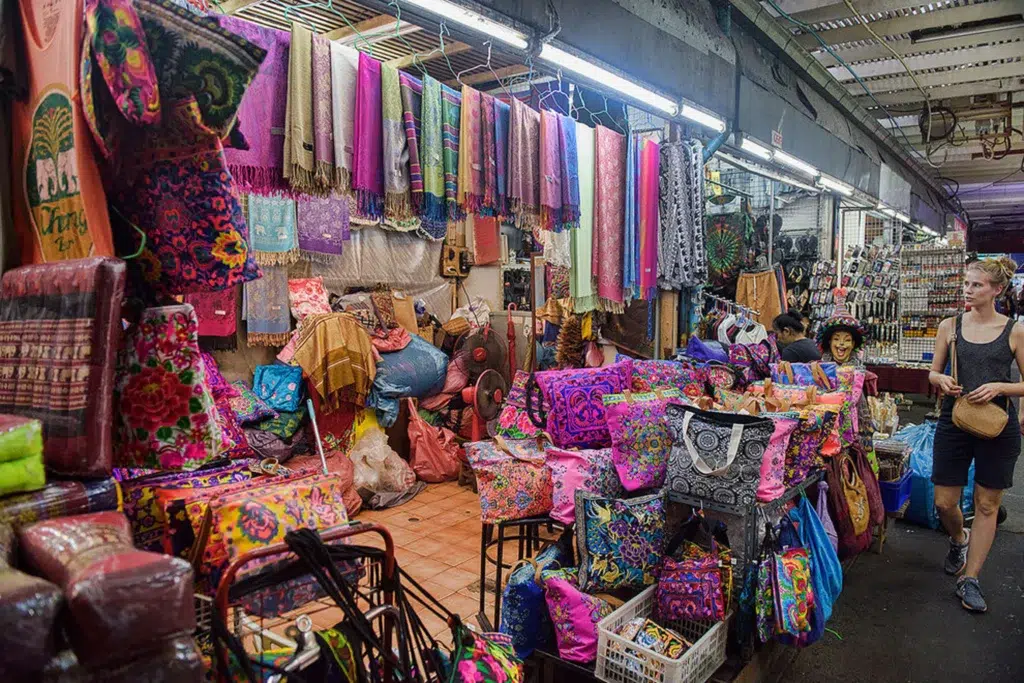
This flood of low-cost imports hurts jobs and shops in places like Bangkok markets or small towns. The government wants fair rules: everyone pays taxes the same way.
Which Platforms Are Affected?
Big e-commerce apps handle most of these imports. Customs has already signed agreements with five major ones: Shopee, Lazada, TikTok Shop, Temu, and Shein.
These platforms will:
- Share order details with customs ahead of time.
- Declare exact values and product types.
- Often add duties and VAT at checkout.
This helps speed things up, but some parcels might still face checks.


What Does This Mean for Shoppers?
If you buy cheap clothes, gadgets, or toys online from overseas:
- Prices will rise - expect 20-40% more in many cases.
- Delivery could take longer due to extra customs steps.
- Some buyers may switch to Thai sellers for better deals or faster shipping.
Tip: Order before December 31, 2025, to avoid the new duties on low-value items.
For small businesses importing stock, costs go up too. They may need to adjust prices or find local suppliers.
Future Plans
Customs talks about a simpler system later - like a flat fee per parcel. This would make things easier for everyone.
How Thai Nexus Helps with the 2026 Changes
The new duties add complexity: more calculations, paperwork, and risks of holds or surprise fees.
Thai Nexus, a Hua Hin-based logistics company, directly assists with imports and customs:
- Customs Guidance and Paperwork: They explain duties, check exemptions (e.g., FTAs or personal items), and prepare declarations to avoid errors and delays.
- Receiving Imports: Provide a real Thai street address for overseas parcels. They receive, notify you, inspect, and handle any customs issues if held.
- Duty Payment Support: Advise on calculations; in cases like held parcels, coordinate with customs (as seen in real user experiences where they notify and assist release).
- Consolidation and Repacking: Combine multiple imports to reduce per-parcel costs under new rules.
- Bilingual Help: Staff speak Thai/English, guide through processes, and partner with Thailand Post for official handling.
For personal shoppers or small businesses importing stock, Thai Nexus reduces stress from the duty changes.
Ship To The World With Thai Nexus
When do the new import duties start in Thailand?
The new rules begin on January 1, 2026. Parcels valued at 1,500 baht or less (CIF: cost + insurance + freight) remain exempt from duties until December 31, 2025, but 7% VAT applies to most since mid-2024.
Will cheap online orders from abroad get taxed in 2026?
Yes. From January 1, 2026, all imported parcels pay duties regardless of value. The previous exemption for items under 1,500 baht ends completely.
Why is Thailand ending duty-free for low-value imports?
To level competition for Thai SMEs and local sellers. Untaxed cheap imports, primarily from China, allow lower prices than domestic products that include full taxes, leading to lost sales and closures for Thai businesses.
How much duty will I pay on overseas parcels in 2026?
Rates vary by HS code: clothing and footwear typically 30%, bags and accessories around 20%, most consumer goods 10-20%. Additionally, 7% VAT applies to the total landed cost (item price + shipping + duty). Combined increase often 20-40% on low-value items.
Do Shopee, Lazada, Temu, and Shein orders get the new duties?
Yes. These platforms dominate cross-border low-value sales. Thai Customs signed MoUs with Shopee, Lazada, TikTok Shop, Temu, and Shein for advance data sharing, accurate declarations, and collection of duties/VAT at checkout.
Will overseas online shopping cost more in Thailand after 2026?
Yes. The removal of duty exemptions adds significant costs to previously cheap items. Platforms will display total prices including taxes where possible, resulting in 20-40% higher final costs for many products.
Can I avoid 2026 duties by ordering before 2025 ends?
Yes. Any parcel cleared by Customs or arriving before January 1, 2026, follows current rules: no duty if CIF value is 1,500 baht or less. Order and ship early to benefit.
How will duties be paid on international parcels in 2026?
Major platforms collect duties and VAT at checkout via integrations. For postal or non-platform couriers, Customs assesses on arrival; you receive a payment notice (often QR code) and must pay before release. Random inspections remain.
What happens if my parcel is held at Thai customs in 2026?
With all parcels now dutiable, more items face assessment and possible holds. You pay the calculated duty and VAT to release it. Delays of days to weeks can occur if declarations are incorrect or payment is late.
Who can help me with the new 2026 Thailand import duties?
Thai Nexus provides a verified Thai receiving address for overseas orders, accurate duty/VAT calculations, full customs declaration preparation, and direct coordination with Customs/Post for quick release of held parcels, reducing delays and errors.
Will Thailand simplify low-value import taxes later?
Yes. Customs Director has stated plans to introduce a flat-rate duty per parcel in the future, replacing variable HS-code rates to speed processing and reduce administrative burden.
Who can help me with personal or business imports to Thailand in 2026?
Thai Nexus consolidates multiple parcels into one shipment to minimize per-package costs, offers secure storage and inspection, provides bilingual guidance on duties and exemptions, and handles complete clearance including advance payment options for faster delivery.