

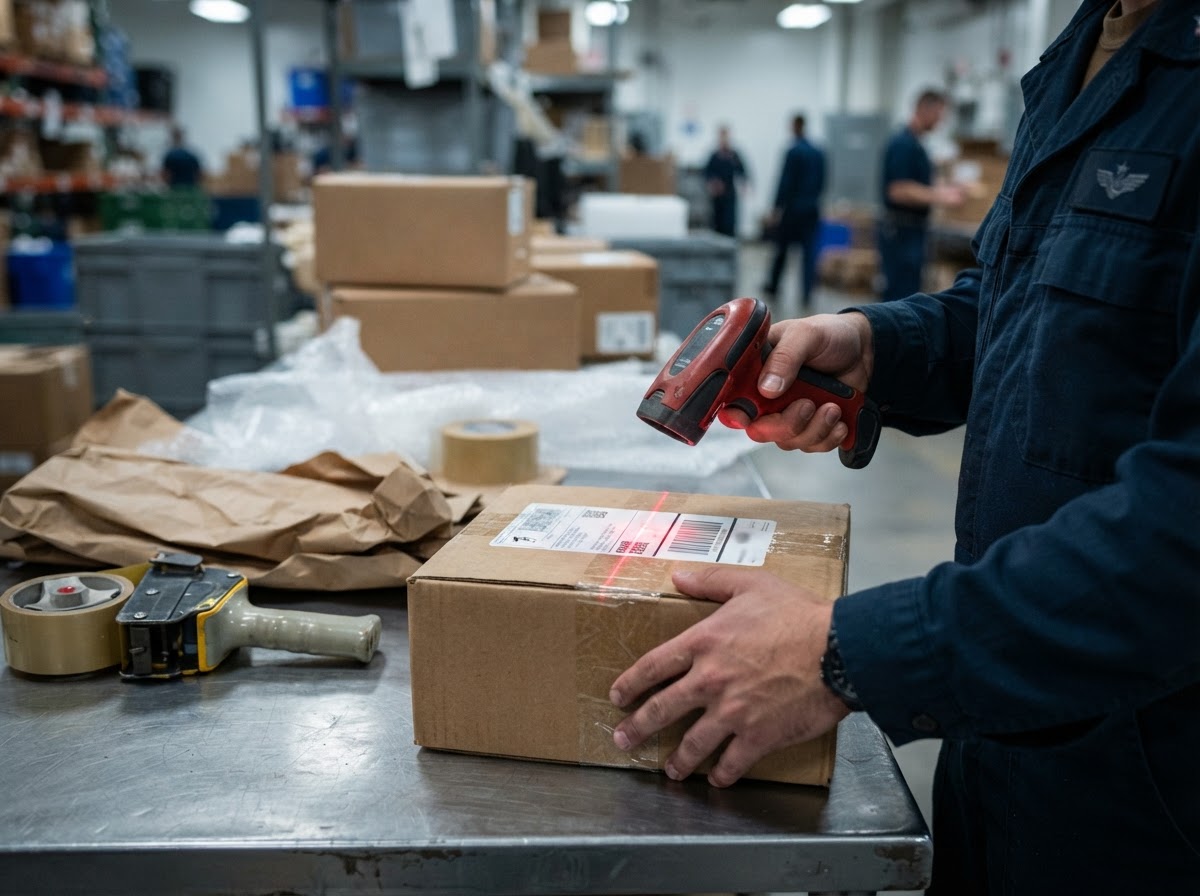
Sending a package across international borders requires more than just throwing your items in a box and sticking a label. The difference between a package that arrives safely and one that gets damaged, delayed, or rejected lies entirely in how well you prepare it for the journey ahead.
The Golden Rule
Before you touch a roll of tape, you need to understand the biggest mistake people make: packing too loosely. This mistake not only puts your items at risk of breaking, but it also costs you a lot of money.
Let’s talk about the Shake Test. When you pack your box, close the flaps and give it a firm, gentle shake. What do you hear? If you hear things sliding, shifting, or rattling around, you have a problem. That movement means there is empty air inside the box. Good packing means that when you shake it, it is completely silent and solid.
Why is this so important? Because in international shipping, empty air is incredibly expensive due to Volumetric Weight.
Most people think shipping costs are based solely on how heavy the box is. If you are shipping a pillow, it’s light, so it should be cheap, right? Wrong. International couriers (like FedEx and UPS) compare the actual weight of your package against the amount of physical space it takes up inside the airplane. They charge you for whichever is higher. A fluffy pillow in a giant, half-empty box will cost you a fortune because you are paying to ship that space.
How to pack tight and win at this:
- Pass the Shake Test: Your goal is zero movement. Fill every gap with protective packing material. A silent box means your items won’t smash against each other during transit, and you aren’t leaving expensive dead space.
- Shrink it down: If you are shipping soft items like clothes, roll them tightly or use vacuum bags to shrink them.
- Cut the box down: If your items are secure but the top half of your box is empty, don’t just fill it with packing peanuts. Carefully cut the corners of the box down and fold the sides over to make the box physically smaller. This simple trick can save you thousands of baht in shipping fees.
Thai Nexus Tip: If you aren’t sure how to pack tightly enough to beat the volumetric weight trap, and you are living in Hua Hin, the team at Thai Nexus in Soi 102 can do it for you. They will expertly pack your items to survive any journey, pass the shake test, and build the most cost-effective box size around your goods - ensuring you never pay to ship empty air to London or Sydney.
Step 1: Choosing Your Box
Your box is the only thing standing between your item and a rough journey across the world. International parcels are loaded onto trucks, flown on planes, sorted on conveyor belts, and handled by multiple people. A flimsy box won’t survive.
The New Box Rule
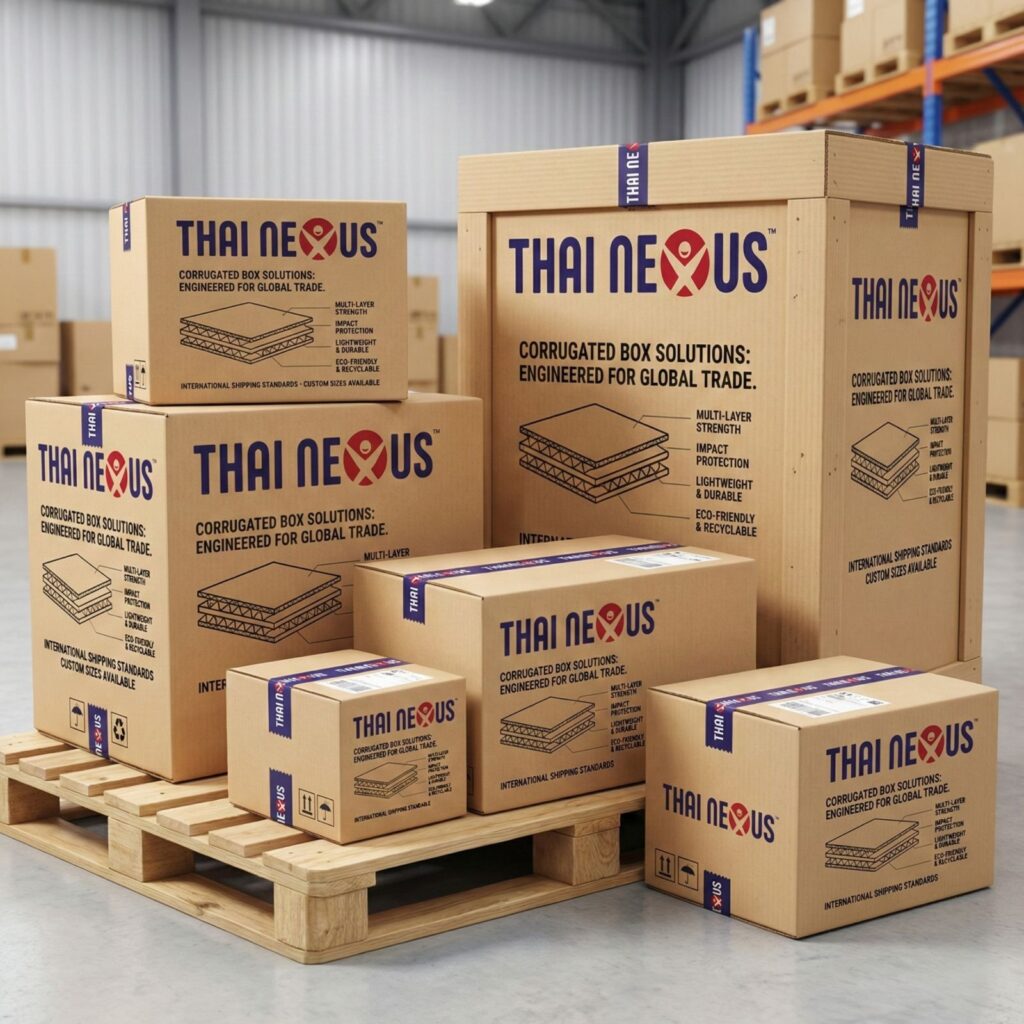
Whenever possible, use a new corrugated cardboard box for shipping. Boxes can lose roughly 50% of their structural integrity (stacking strength) after just one trip. If a used box appears worn or has any visible creases , do not use it, as it will likely collapse under weight.
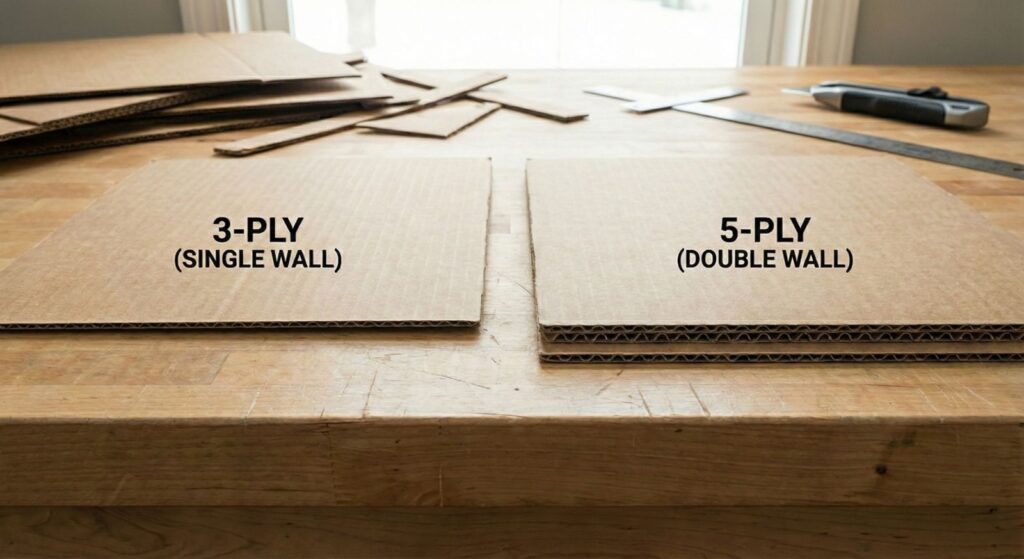
Single vs. Double Wall
- Single Wall: Fine for light, non-fragile items like t-shirts, documents, or soft toys.
- Double Wall: Mandatory for anything fragile, heavy, or valuable. These boxes have two layers of corrugated cardboard and are much harder to crush.
** Pro Tip:** If you hear a rattling sound when you gently shake your box, it is not packed well enough. Movement inside the box is the number one cause of damage.
Step 2: The Cushioning
Throwing in a few packing peanuts isn’t enough. You need to create a suspension system for your items.
The 5-Centimeter Rule
There should be at least 5 centimeters (about 2 inches) of cushioning between your item and the wall of the box. If your item is touching the side of the box, an impact to the outside will transfer directly to your item.
Material Matters
- Bubble Wrap: The gold standard. Wrap every single item individually. If you are shipping three ceramic mugs, wrap each one separately with multiple layers. If they touch each other, they will break.
- Foam: Great for corners and heavy items.
- Paper: Crumbled newspaper or brown packing paper is excellent for filling gaps, but it doesn’t offer much shock absorption for heavy items. Use it to stop movement.
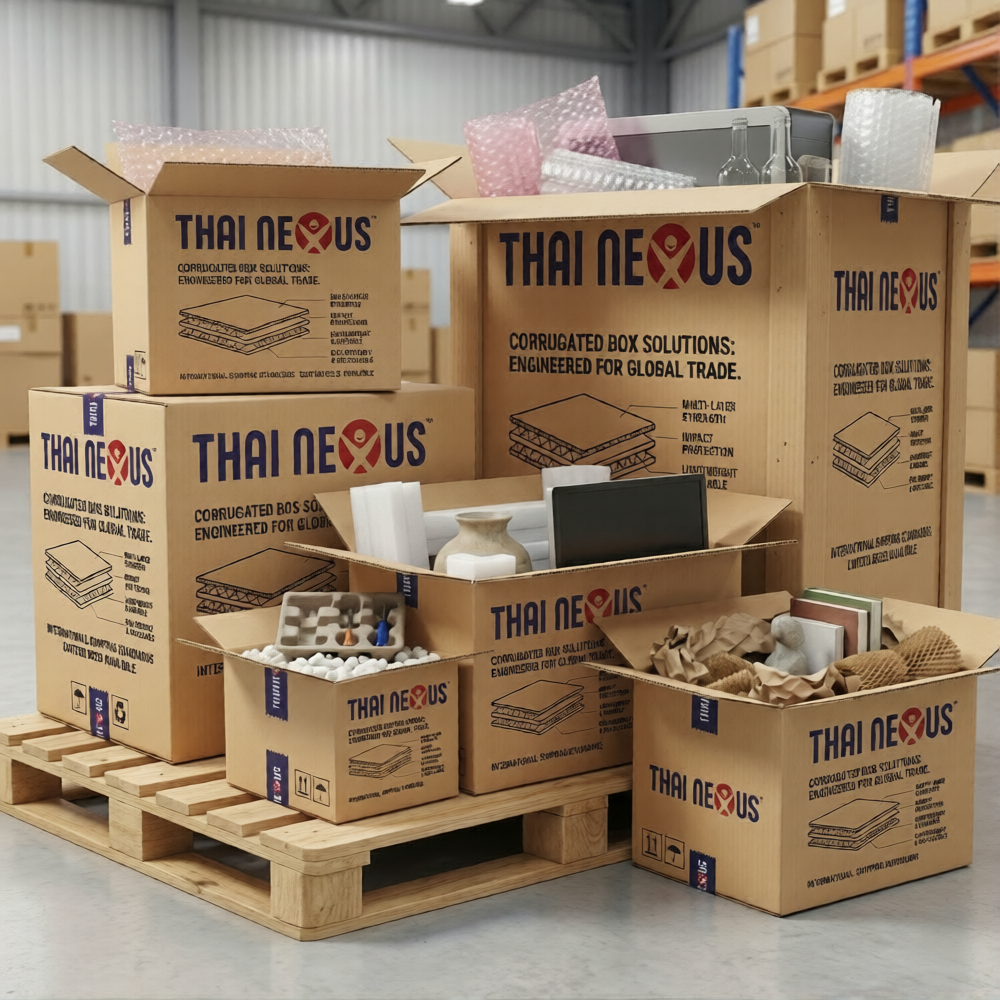
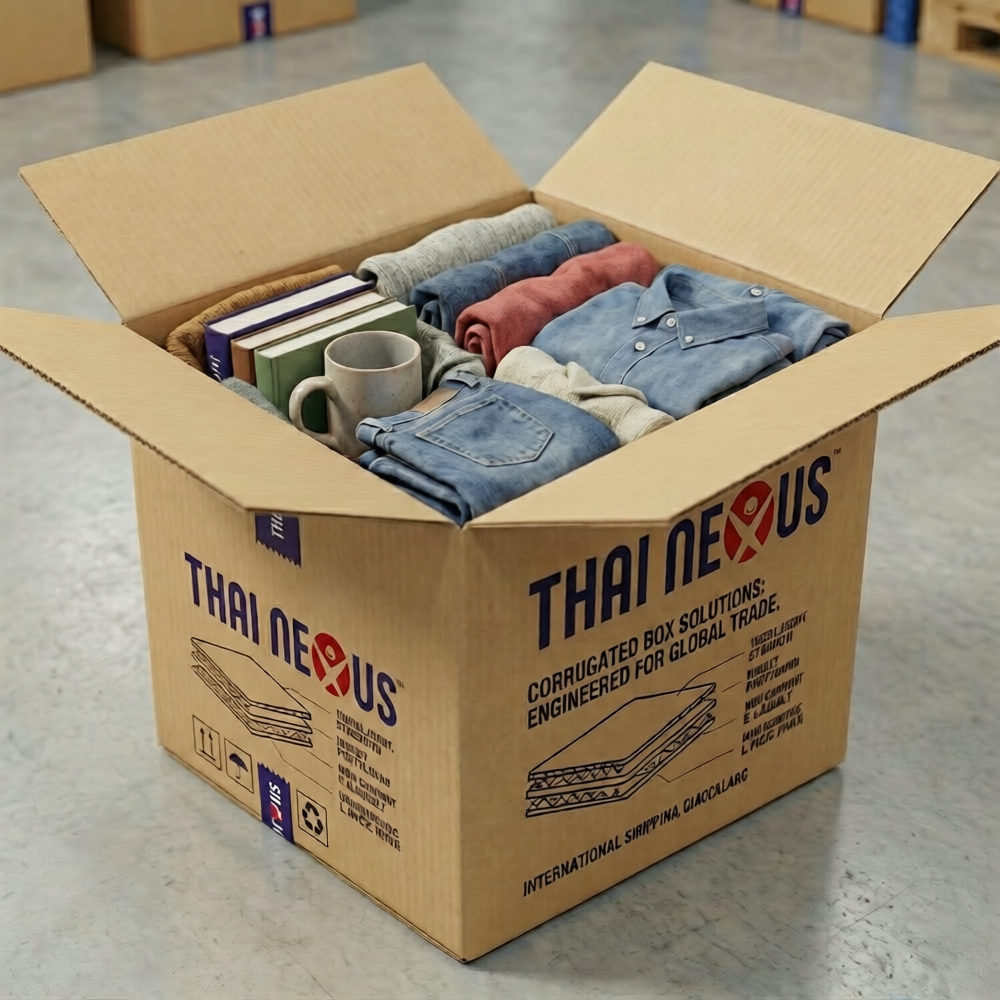
- Clothing: If you are moving house, use your socks, towels, and t-shirts as packing material to save space and money on bubble wrap. Socks are perfect for stuffing inside hollow items like glasses to prevent crushing, while thick sweaters provide excellent cushioning for fragile objects.
Step 3: Sealing The Box
To ensure your package arrives safely, do not use duct tape, masking tape, or standard office tape. These tapes lack the strength to secure shipments, and their adhesives often fail when exposed to the fluctuating temperatures of cargo holds and warehouses.
Instead, always use pressure-sensitive plastic shipping tape that is at least 2 inches (5 cm) wide. Apply firm pressure across the tape to bond it securely to the cardboard.
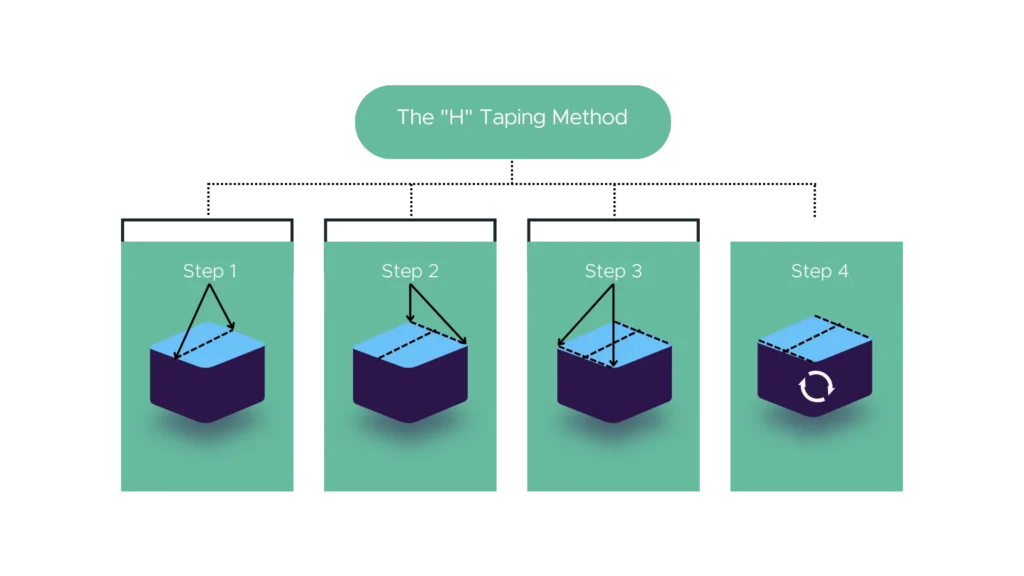
The H-Tape Method
This is the only way to seal a box for international travel:
- Tape along the center seam where the flaps meet.
- Tape along the two side seams (the edges of the flaps).
- Do this on both the top and the bottom of the box.
When you are done, the tape should look like the letter “H”. This reinforces the seams and prevents the box from popping open if it’s dropped.
Region-Specific Regulations
This is where many parcels get stuck. Every country has different rules. What is perfectly legal to mail to the US might get destroyed by customs in Australia.
Australia: The Bio-Security Fortress
Australia has some of the strictest biosecurity laws in the world to protect its unique agricultural sector and ecosystem.
- Strict No-Go: Meat products (even dried), dairy, seeds, soil, and untreated wood. (Note: There are very rare exceptions for commercially retorted items, but they require specific import permits - for everyday shipping, consider these banned).
- The Wood Trap: If you are sending a wooden souvenir from a Thai market, it must be treated and lacquered. Raw wood or bamboo can be seized and destroyed because it might harbor insects.
- Straw and Weaving: Hats or baskets made of plant fibers are often inspected. If they show signs of insect damage or harbor seeds, they will be destroyed.
- Documentation: Be incredibly specific. Do not write “Food.” Write “Processed Dried Durian Chips (Commercial Packaging).”
The United Kingdom (UK) & European Union (EU)
Since Brexit and recent tax changes, shipping to the UK and EU requires strict attention to value and tax collection.
- VAT (Value Added Tax): The recipient will almost certainly have to pay VAT before the parcel is delivered. There is no longer a low-value VAT exemption for commercial items in either the UK or the EU.
- Gifts: You must mark the item explicitly as a “Gift” on the customs paperwork. True person-to-person gifts can be tax-exempt, but only if they are under £39 for the UK or €45 for the EU. Anything over that gets taxed.
- Pre-paying Taxes (IOSS & UK VAT): If you are a business selling to the EU, you should look into an IOSS (Import One-Stop Shop) number to prepay the VAT. For the UK, there is a similar requirement where overseas sellers must collect VAT at checkout for orders under £135. Thai Nexus can help explain how to label these correctly so your customer doesn’t get hit with a surprise bill and your parcel doesn’t get stuck in a warehouse for weeks.
The United States
The US customs landscape changed dramatically in late 2025, and shipping there requires much more preparation than it used to.
- The End of the $800 Rule: For years, the US allowed goods valued under $800 to enter duty-free under the “de minimis” rule. This is no longer the case. As of August 2025, the US government suspended the de minimis exemption globally for commercial shipments. All commercial packages, regardless of value, are now subject to customs clearance, import duties, and fees.
- FDA Regulations: Food and drugs remain heavily scrutinized. Sending homemade food is risky. Commercially packaged food is usually fine, but you must list the manufacturer (and often file a Prior Notice with the FDA). Prescription drugs are highly restricted and generally require a US doctor’s prescription to clear customs.
- Prohibited: Kinder Surprise Eggs (yes, really), Cuban cigars, and all alcohol (standard postal services strictly prohibit mailing alcohol).
The Paperwork
Your parcel cannot travel without a passport. In the shipping world, this is the Commercial Invoice or Pro Forma Invoice.
Be Specific, Not Vague
Customs officers scan thousands of packages a day. Vague descriptions make them suspicious.
- Bad: “Clothes”
- Good: “Men’s Cotton T-Shirt, Size L, Blue”
- Bad: “Kitchenware”
- Good: “Ceramic Coffee Mug (Glazed)”
- Bad: “Gift”
- Good: “Toy Car (Plastic) - Gift for Nephew”
Value Declaration
Be honest. If you declare a $500 watch as $10 to avoid taxes, and the package is lost, insurance will only pay you $10. Furthermore, if customs suspects you are lying, they can fine the recipient or seize the goods.
Why Choose Thai Nexus in Hua Hin
You can do all of this yourself. You can hunt for boxes, buy rolls of bubble wrap, print your own labels.
Or, you can use a local expert.
Thai Nexus is the right logistics partner for the Hua Hin community.
- Proper Packing Service: They know the 5-centimeter rule and the H-Tape method. They have the industrial-grade bubble wrap and double-walled boxes that are hard to find in regular shops.
- Regulatory Knowledge: They deal with Australia, the UK, the EU, and the US shipments daily. They know which courier is currently clearing customs fastest in Germany and which one is strictest in Sydney.
- One-Stop Convenience: You can walk in with your loose items. They will measure, pack, weigh, and handle the complex paperwork for you. They ensure the Volumetric Weight is optimized so you aren’t overpaying.
Common Hidden Prohibited Items
Before you pack, check this list. These items are dangerous goods (DG) and cannot fly on passenger planes (which is how most express parcels travel).
- Batteries: Loose lithium batteries (power banks) are strictly forbidden. Batteries inside a device (like a phone) are usually okay, but have strict limits.
- Perfume & Nail Polish: These are flammable liquids. They are generally banned in air cargo.
- Aerosols: Hairspray, deodorant cans, or spray paint. They can explode under pressure.
- Cash: Never send cash. It is illegal in many countries and uninsurable.
Final Thoughts
Packing a parcel for international shipping is about mitigating risk. You are protecting your item from drops, crushes, and the weather. You are protecting your wallet from surprise volumetric charges. And you are protecting your recipient from customs headaches by providing clear, accurate paperwork.
Take the time to pack it right. Measure twice, tape securely, and be honest in your declaration. And if it all seems too overwhelming, or you just want to be sure it’s done correctly, stop by Thai Nexus in Hua Hin. Let them handle the logistics so you can focus on the joy of sending something across the ocean.
Have any questions? Click here
Why is international shipping so expensive for a light box?
You are likely getting hit by “Volumetric Weight” charges. International couriers like FedEx and UPS don’t just weigh your box; they measure how much physical space it takes up on the airplane. If you ship a light, fluffy pillow in a giant box full of empty air, you will be charged for the size of the box, not the weight of the pillow. To save money, cut your boxes down and pack items as tightly as possible.
Can I use an old box to ship internationally?
It is highly recommended that you don’t. Cardboard boxes lose about 50% of their structural strength after just one trip. If an old box has creases, soft spots, or looks worn, it will likely collapse under the weight of other packages. Always try to use a brand-new, double-walled box for anything heavy or fragile.
How do I know if my fragile items are packed safely?
Do the “Shake Test.” Once your box is packed and the flaps are closed, give it a firm, gentle shake. If you hear anything rattling, sliding, or shifting, your items are not safe. Zero movement is the goal. Additionally, follow the “5-Centimeter Rule”: always leave at least 5cm (2 inches) of dense cushioning between your fragile item and the outer wall of the box.
What is the best tape to use for shipping boxes overseas?
Never use duct tape, masking tape, or standard office tape - they will melt or peel off in extreme warehouse temperatures. You must use pressure-sensitive plastic shipping tape that is at least 2 inches (5cm) wide. Apply it using the “H-Tape Method”: tape the center seam, and then tape the two side edges on both the top and bottom of the box so it looks like the letter “H”.
Can I use my clothes as packing material?
Yes! If you are moving, using your clothes is a brilliant way to save space and money. Thick sweaters are great for wrapping fragile items, and rolling up socks is the perfect way to stuff hollow items like ceramic mugs or glasses to stop them from being crushed.
What items are completely banned from international air shipping?
Because international express parcels travel on airplanes, you cannot ship “Dangerous Goods.” This includes loose lithium batteries (like power banks), flammable liquids (like perfume and nail polish), aerosols (hairspray or spray paint), and cash.
Can I send wooden souvenirs from Thailand to Australia?
You have to be very careful. Australia has incredibly strict biosecurity laws to protect its ecosystem. Raw, untreated wood or bamboo will almost certainly be seized and destroyed by customs because it can harbor insects. If you are sending a wooden souvenir, ensure it is commercially treated and heavily lacquered.
Do I have to pay tax on gifts sent to the UK or Europe?
Usually, yes. While true person-to-person gifts can be tax-exempt, the threshold is very low: under £39 for the UK and under €45 for the EU. Anything valued over that amount will be hit with a VAT (Value Added Tax) bill that the receiver must pay before the courier will deliver it. Always explicitly mark the customs form as a “Gift.”
Are packages under $800 still tax-free when shipping to the USA?
No. As of late 2025, the US suspended the “de minimis” rule for commercial shipments. This means the old trick of shipping goods under $800 duty-free is gone. All commercial packages to the US are now subject to customs clearance, duties, and fees regardless of how low the value is. If you are a business owner in Hua Hin trying to navigate these new US rules, the experts at Thai Nexus can help handle the complex new paperwork for you.
Can I ship homemade food to the USA?
Sending homemade food to the US is highly risky and often rejected due to strict FDA regulations. Commercially packaged foods are generally accepted, but you must clearly list the manufacturer on the paperwork, and it often requires filing a Prior Notice with the FDA.
How specific do I need to be on a customs declaration form?
You need to be extremely specific. Customs officers scan thousands of packages daily, and vague descriptions like “Clothes,” “Gift,” or “Kitchenware” will flag your box for a stressful inspection. Instead, write exact descriptions like “Men’s Cotton T-Shirt, Size L, Blue” or “Plastic Toy Car - Gift for Nephew.” Also, never lie about the item’s value; it will void your insurance and can lead to fines.
Where is the best place to get help packing and shipping internationally in Hua Hin?
If you don’t want to hunt for industrial bubble wrap, guess your volumetric weight, or stress over complex customs forms, Thai Nexus located on Soi 102 is the go-to logistics partner for the local community. You can walk in with loose items, and they will expertly pack them, apply the H-tape method, and optimize your box size so you never overpay for empty air.